About Jille
A community rich in history, natural resources and cultural heritage
Historical Background
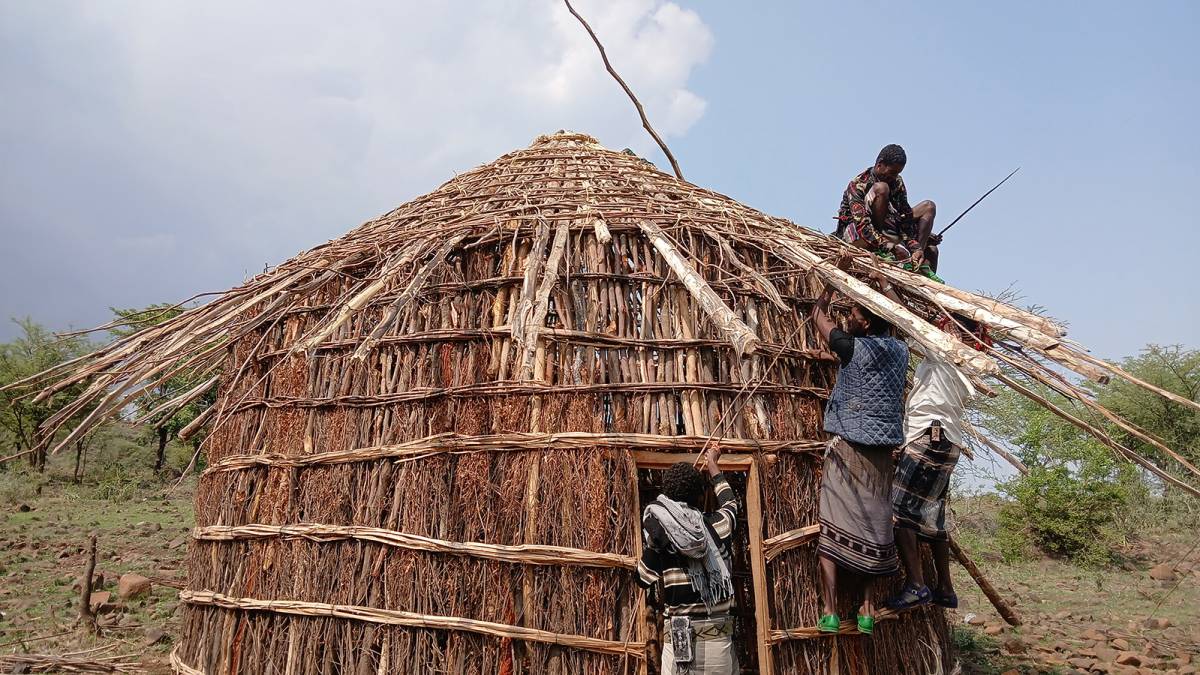
Jille Timuga District derives its name from five of the area’s early inhabitants, Jille and Suba Timuga. According to stories from elders, both “Jille” and “Timuga” were the names of Oromo elders who once lived in the District.
Various written sources, records, and legends indicate that the district began to be known by this name during the establishment of districts and zones under the Derg regime. During that period, the Efrata and Timuga districts in the North Shewa region were collectively known as the Efrata and Jille districts.
Jille Timuga District gained its current independent name at the beginning of 1986 E.C., when it separated from the Efrata and Jille Timuga District and was established with Senbete as its capital city. It is also reported that in 1987 E.C., when the Oromo Nation Administration Zone was established independently, the district was renamed Artuma Jille after merging with Artuma Fursi District—a status that lasted until 1993 E.C.
The district’s name continued to change during different periods and administrative conditions until the beginning of 1993 E.C., when it separated from Artuma Jille District and became the independent Jille Timuga District known today.
Faith and language
The community is primarily characterized by its religious and linguistic homogeneity. Approximately 99% of the residents follow Islam, while the remaining 1% adhere to other religions. Linguistically, 95% of the population speaks Afaan Oromo, while 5% speak Amharic.
Location and Demography
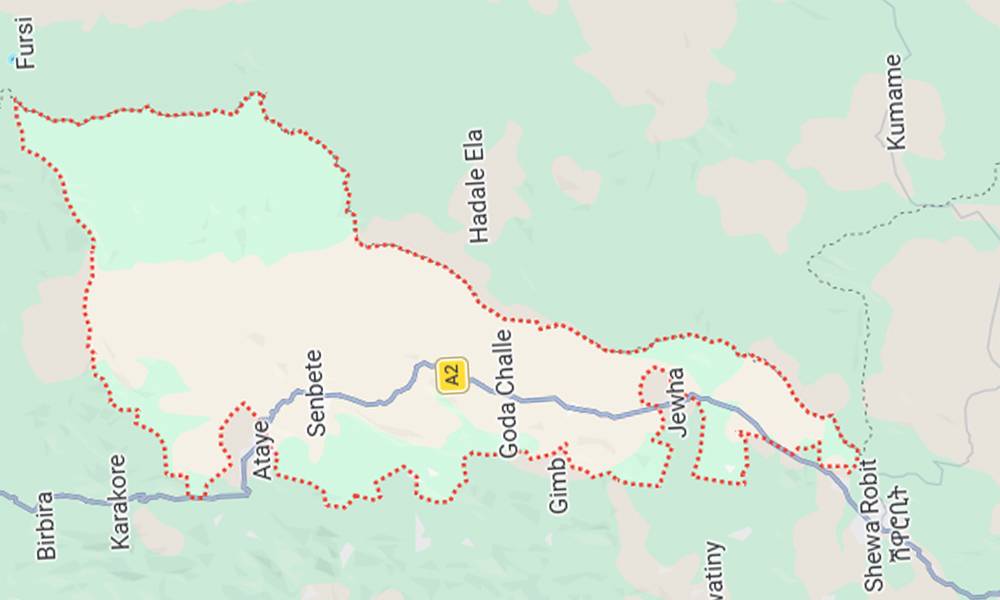
Jille Timuga District is located in the Oromo Nation Administration Zone of the Amhara Nation Regional State. It is bordered to the north by Artuma Fursi, to the south by Kewet District and Shewa Robit City Administration, to the west by Efrata Gidim and Kewet District, and to the east by the Afar Region districts of Hadele Ela and Semu Robi.
It is situated 265 km north of the country’s capital, Addis Ababa, along the main highway leading to Dessie. It is also located 765 km east of the regional capital, Bahir Dar, and 63 km south of the zonal seat, Kemise, along the main Dessie–Addis Ababa road.
Weather and topography
Approximately 97% of the district’s climate is classified as lowland (Kolla), while the remaining 3% is sub-tropical (Woina Dega). The temperature ranges from a minimum of 24°C to a maximum of 33°C. Climate data from the district indicate that the annual rainfall ranges between 2,000 and 2,600 mm.
The rainy seasons are summer (Kiremt) and spring (Belg). The summer season lasts from June to September, while the spring season extends from February to April.
The district’s elevation is estimated to range between 500 and 700 meters above sea level. The total surface area of the district is 88,256 hectares. Of this, 31,052 hectares consist of mountainous and hilly terrain, while 57,204 hectares are plains. Within this landscape, approximately 12,000 hectares are used for farmland, and 25,280 hectares are covered by forest.
Population and living condition
Based on projections from the 1997 E.C. census, the district’s population is estimated at 133,352, comprising 65,873 men and 67,479 women. Approximately 88% of the residents are engaged in agriculture, while the remaining 12% work in various other sectors.
Educational Status
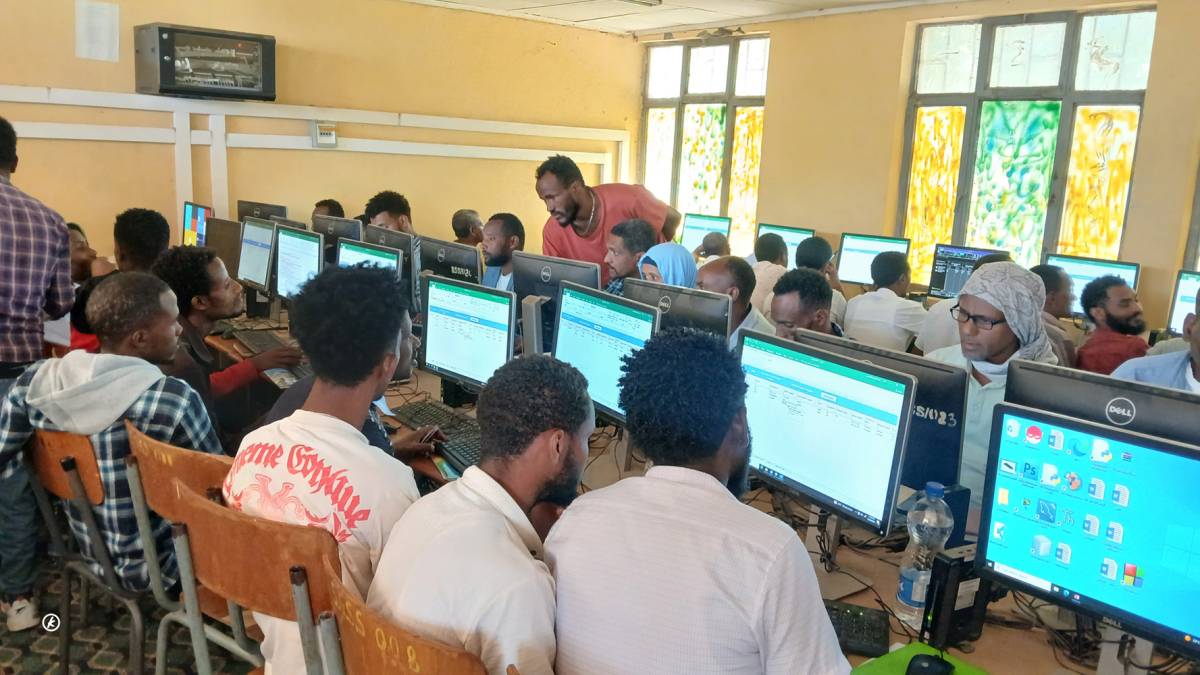
In the field of education, the district remained underdeveloped for many years, beginning from the monarchical regime. As a result, the community was unable to educate its children in a timely manner, and the vision of creating a generation with an education-based consciousness took significant time to materialize.
Through concerted efforts to address this gap, the current reality shows that three secondary schools, 46 institutions capable of teaching grades 1–8, and a total of 50 educational institutions—including pre-regular education facilities—have been established.
This has enabled 20,264 children to attend school out of the 26,364 who should be enrolled, effectively bringing the district’s educational coverage to 77%.
Health Sector
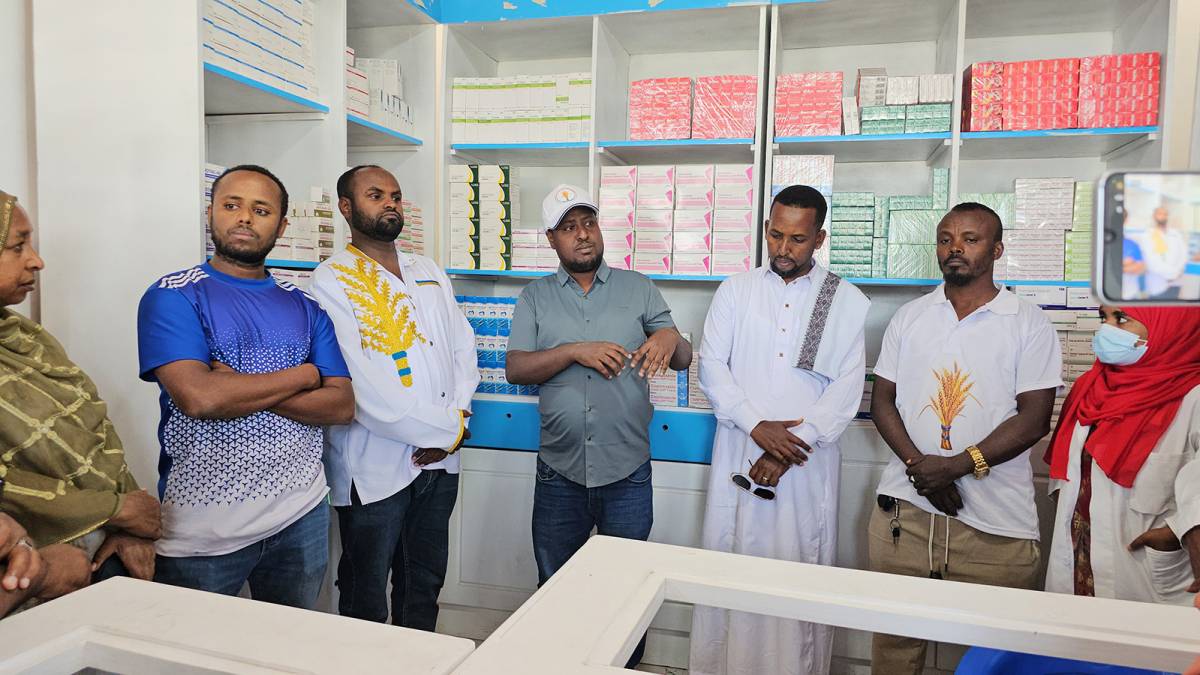
To practically realize the vision of creating a healthy community and fostering productive citizens, significant progress has been made in making health institutions accessible according to established standards. In this regard, four health centers have been constructed and are currently providing services. Although the district is expected to have 20 health posts, 19 have been successfully established. Overall, through efforts to ensure streamlined service accessibility—including the expansion of facilities, provision of essential supplies, service delivery, and human resource deployment—the district’s health coverage has reached 86%.
Clean Water Supply
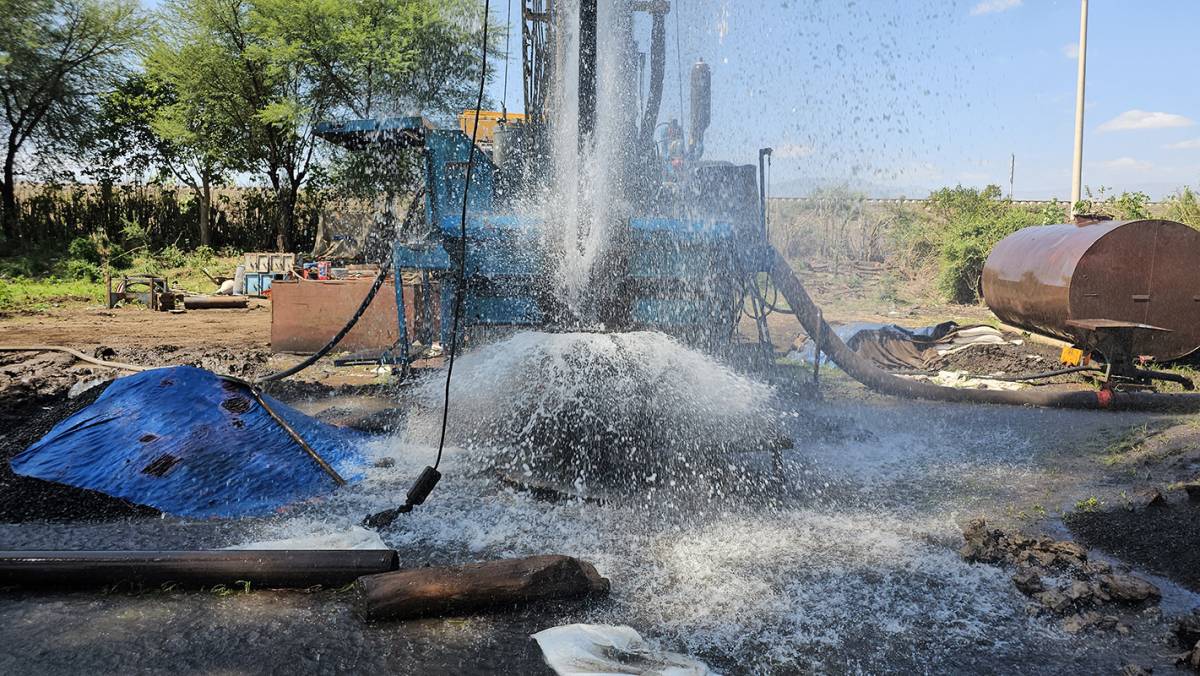
Through efforts to provide the community with access to clean drinking water, 218 water facilities have been constructed, resulting in a current water coverage of 63% in the district.
Animal Production
Livestock farming provides food, income, and sustains traditions.
Natural Resources
Blessed with fertile soils, water bodies, and rich biodiversity.
Tourism
Experience from ancient spiritual sites to vibrant markets.
Awaytu Hot Spring
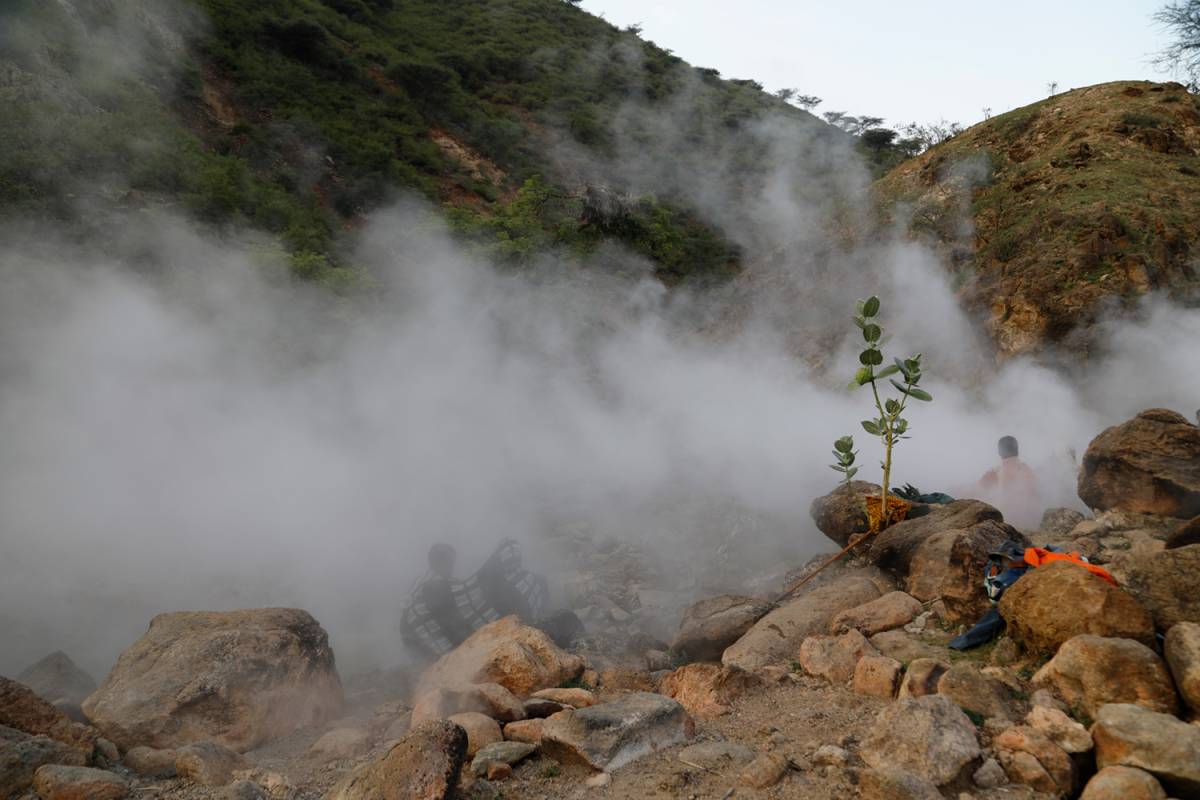
Awaytu hot spring water is located between 4 mountains in Dula, Lencha and Merwa Adere kebele bordering kebeles and is located approximately 4km from Senbete. This hot spring was created by a natural phenomenon and it was so hot that it covered the area with smoke, giving the area a special beauty. The local pronunciation of Awaytu comes from the Oromo language Oa (o'aa) and its translation means hot. This hot spring comes from underground and has 3 big and 6 small steam vents. The strong thunder that comes out of these holes is very strong. Although the temperature of the water is not measured by instruments, it is not close to the water due to the heat.
The hot spring water is found between four mountains, at the inner angle of the confluence of the Kebi River coming from Senbete and the Ataye River coming from Ataye, in an area where there are swamps and trees and the steam from the hot water is suffocated in the form of smoke. Seeing all of the above in one place and at the same time gives great spiritual satisfaction to nature lovers.
Although the hot spring water is not used in modern form, the community uses it for various things, among them: they wash their bodies by mixing the spring water with cold/cold water, and they also study the smoke.
Senbete Market
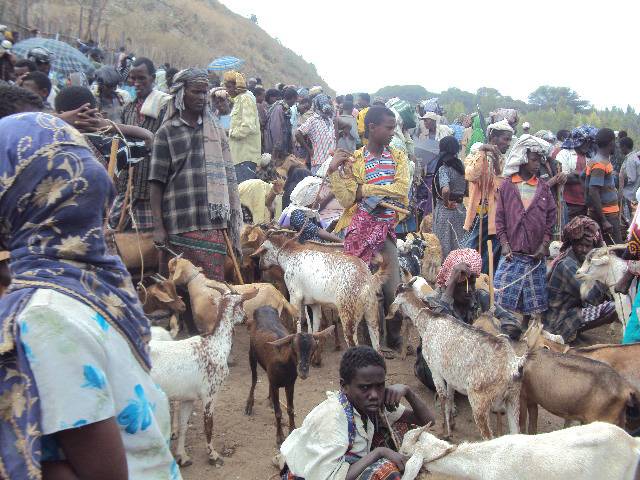
The Senbete Market is a big market held every Sunday in the city of Senbete. It is said that 250 years ago, Haji Bushra, a senior religious leader who lived in the area of Duguru, established a market in the area where this city is located to avoid the conflict between the local people.
The market day was originally on Sunday. Since then, her market has been held on Mondays. But since Monday is a working day, it was again made to be Sunday during the Derg era. The Sunday market is made up of many ethnic groups, making it a special theater stage: the Oromo, Amhara, Afar and Argoba ethnic groups meet in the market with their traditional costumes and decorations, and they are like a museum for visitors.
A person who knows their culture can easily tell who belongs to which nation. This is not the only thing that makes this market look like a theater, there are a lot of traditional jewelry, clothes and handicrafts in the market. Local and foreign tourists are seen in large numbers buying these traditional ornaments and clothes.
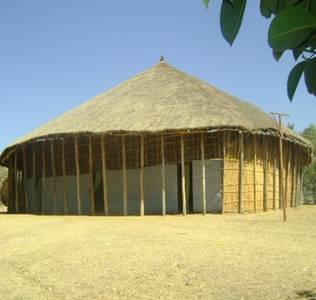
Tirusina Mosque
A symbol of faith and architectural beauty.
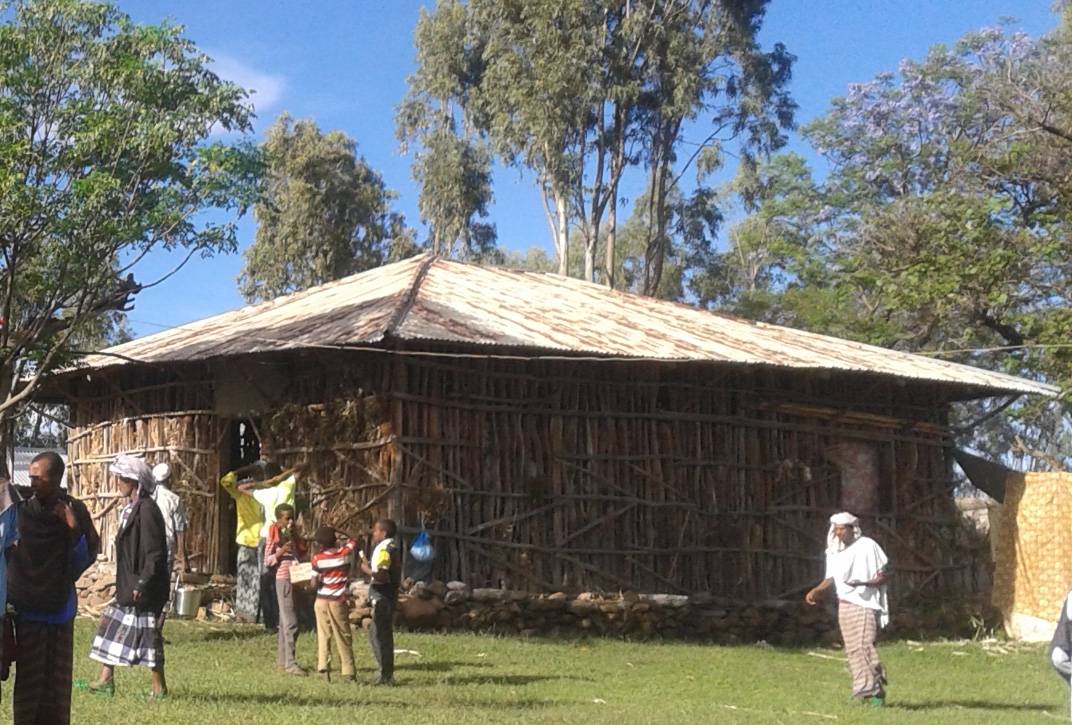
Feki-abus Mosque
An ancient mosque with deep historical and spiritual significance
Cultural Values
The owner of various cultural values and a symbol of solidarity
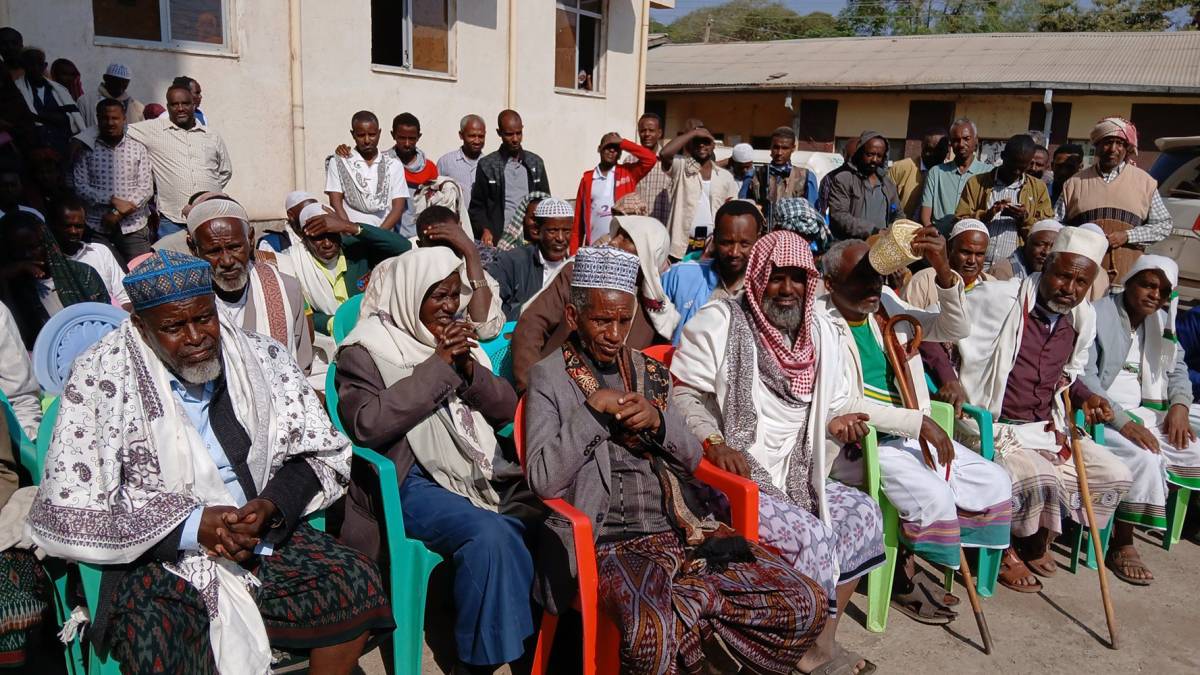
Sera Aba Orma
Sera Aba Orema literally translates to "The Law of the Oromo Father." It is an administrative law established as a substitute for the Gada system, which had weakened in the district for various reasons and could no longer be effectively practiced. This system is traditionally understood in two main branches.
The first part of Sera Aba Orema is known as Jela, which literally means a "large and wide highway." Although this law is not written or documented in a tangible form, it has existed in the collective memory of each generation for ages and has been passed down orally from one generation to the next.
The second part is the system known as "Buuda/Baasa", which is used to adjudicate novel crimes—those that have never been seen or heard of in the community. For example, when an unprecedented crime occurs, the elders gather and begin their deliberation by saying “Mee”, a term used to ask whether the crime has been known or heard of before. If the crime is found to have occurred previously, either locally or elsewhere, it is judged and executed according to the precedent—this process falls under the Jela system.
However, if the elders determine that the crime is entirely new to the area, it is classified as Bude/Base, meaning a "wonder" or "miraculous event." The judgment for such a crime is as unique as the event itself. Consequently, because the crime is unprecedented, it is punished according to three specific types of penalties.
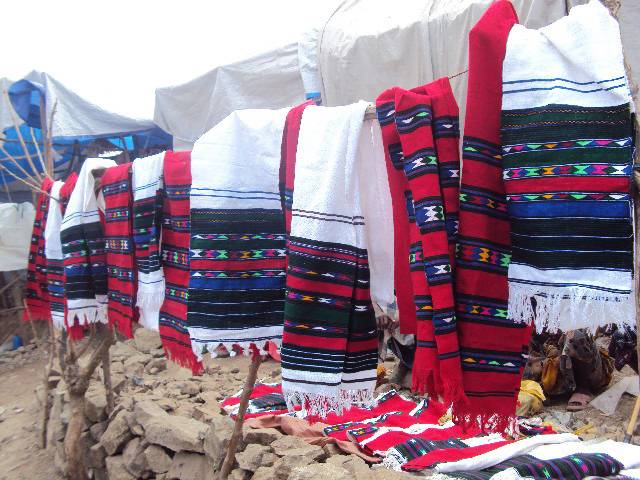
Cultural Clothes
Bright cultural costumes that reflect the community's identity, wisdom and pride
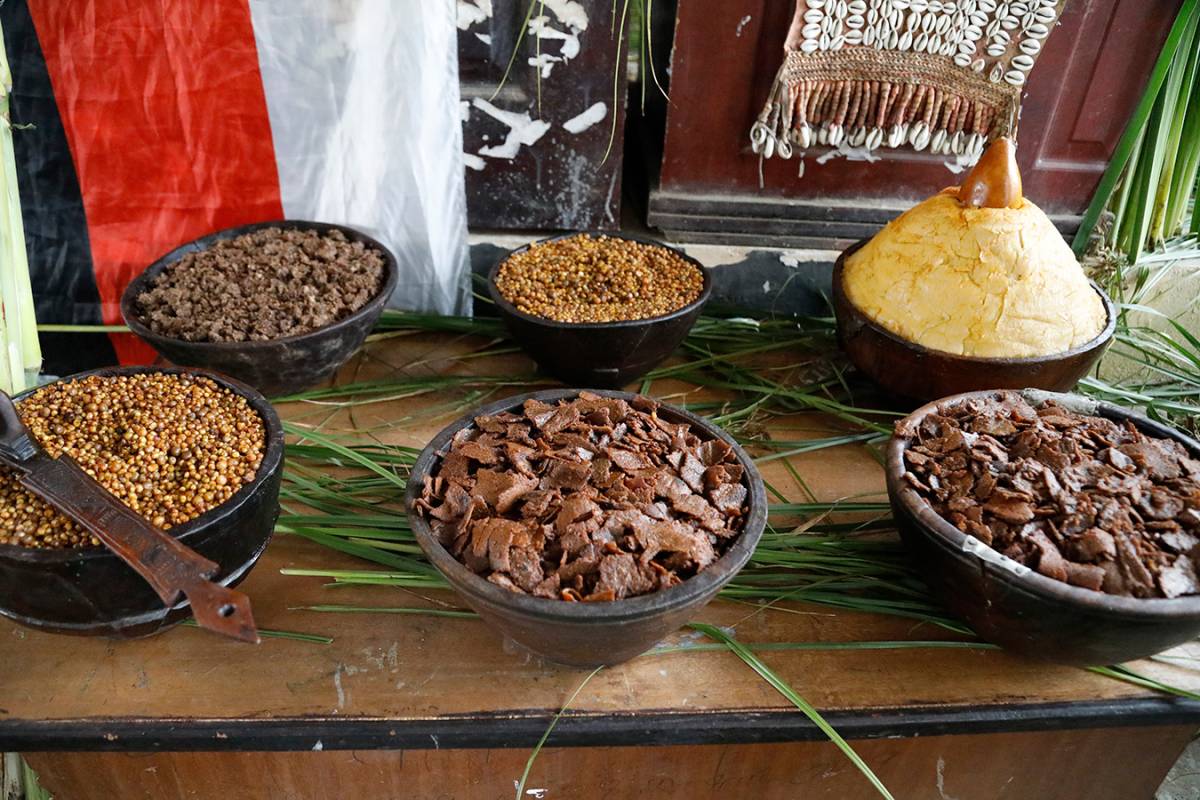
Cultural Foods
Special cultural foods that are characteristic of the community and prepared for various events and religious festivals
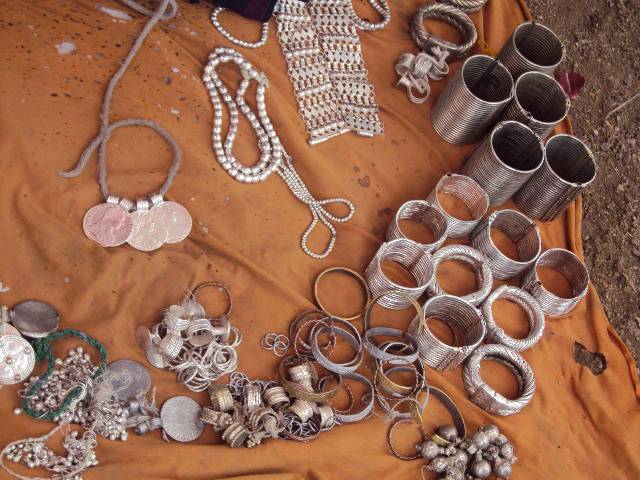
Cultural Jewelry
Meticulously handcrafted jewelry that beautifies events and celebrations, signifying elegance, class and cultural identity.
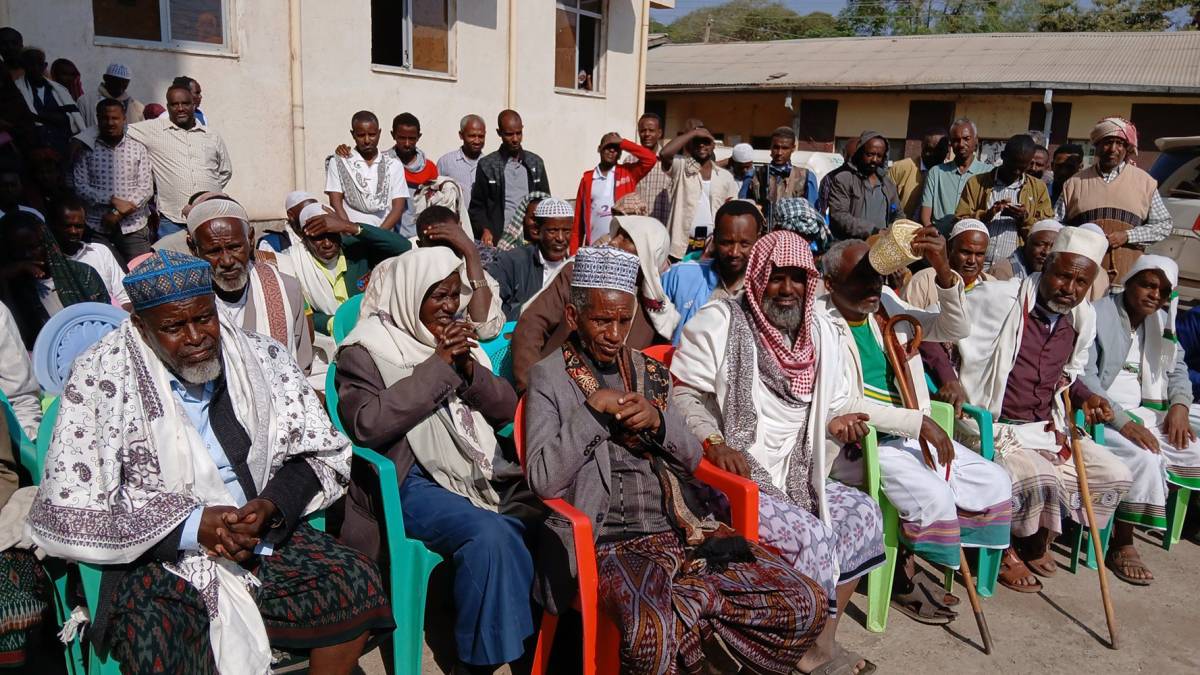
Traditional Reconciliation System
Ancient conflict resolution through dialogue and elder mediation ensuring lasting peace.
Gallery
Review beautiful places and events in pictures


Former District Chief Administrators

Mohammed Aliy Hasan
From: 18/07/2022 - To: 11/05/2023

Ahmed Mohammed Abdela
From: 06/01/2022 - To: 18/07/2022

Ahmed Hasan Aliy
From: 29/10/2021 - To: 05/01/2022

Jemal Hasan Mohammed
From: 11/12/2019 - To: 29/10/2021

Abdela Ahmed Mohammed
From: 26/07/2018 - To: 11/12/2019

Muktar Ahmed Abdela
From: 25/12/2016 - To: 25/07/2018

Muhe Oumer Abdela
From: 03/07/2013 - To: 24/12/2016

Mohamed Yemam
From: 08/07/2010 - To: 24/10/2011

Seid Jafer Adem
From: - To:

Mohammed Abdu Ahmed
From: - To:

Debele Dadi Hirpa
From: - To:

Ahmed Mohammed Dewe
From: - To:
Share Your Feedback
We value your input. Help us improve our services and portal.